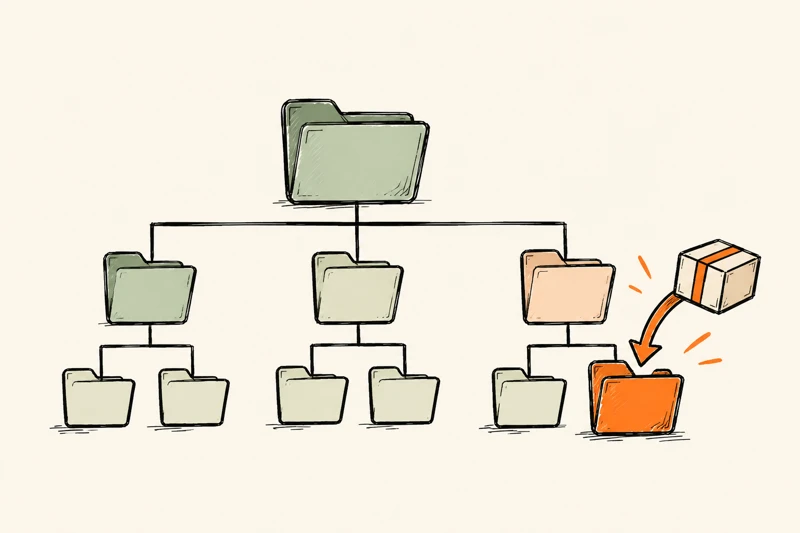
The tags carried by the listings actually ranking for your term — then score the best five in one click.
Try one
Thirteen tags is not many. Filling them with variations of one phrase wastes most of them.
This does not guess at related terms from spelling. It reads the tags on the listings that are currently ranking for your keyword and counts how often each one repeats — so what comes back is the vocabulary Etsy already associates with the query, drawn from listings that demonstrably sell.
Every returned tag shows how many of the sampled ranking listings carry it, and the tool prints that sample size beside the results rather than assuming one. A term on most of them is one Etsy connects to your query. A term on a single listing is somebody's experiment — which is not useless, it is just a weaker signal, so the count is shown rather than the tail being hidden.
Score the first five runs one comparison across the top five terms and returns opportunity, competition, keyword score and sales for each. That is the step that decides which of them earns a tag slot.
Reading the vocabulary spends one lookup. Scoring spends a second, on its own separate counter, so running out of one does not stop the other.
It is counted across the listings on the first page of results, not the whole market — read it as the vocabulary around a term, not a census of it.
A candidate list is not a tag set. Run the thirteen you end up with through the tag checker, which reads them together and catches the ones already covered by a longer tag — the specific waste the thirteen Etsy tags is about.
Unlimited lookups, saved lists, rank tracking and bulk listing across four marketplaces.